

Year: 2025
Doing business with China has become one of the most promising strategies for entrepreneurs worldwide. But for many who are just starting out, the process can seem overwhelming. A common misconception is that working with Chinese sourcing agents—or intermediaries—is risky, expensive, or unnecessary.
The truth? Quite the opposite. For most small and mid-sized companies, partnering with a trustworthy export intermediary like FC2 Export is the smartest and safest way to navigate the complexities of importing from China.
Common Myths About Working with Agents in ChinaLet’s bust a few myths.
❌ “Agents are scammers”In reality, fraud more commonly comes from unverified manufacturers or trading companies that disappear after receiving payment. Chinese courts overwhelmingly favor local entities in disputes, leaving foreign buyers with little recourse.
❌ “Agents just add unnecessary costs”In fact, a good agent saves you money. They give you access to wholesale factory pricing, prevent costly mistakes, and allow you to buy in smaller volumes without penalties.
❌ “It’s better to deal with factories directly”That might sound efficient, but most Chinese factories:
- Don’t speak fluent English
- Require large MOQs (Minimum Order Quantities)
- Are not licensed to export
- Do not provide documentation or quality control That’s where a sourcing agent becomes not just helpful—but essential.
 Does a Sourcing Agent Like FC2 Export Actually Do?
At FC2 Export, we’re not a manufacturer—we’re your strategic export partner in China. Our role is to find the best suppliers, ensure quality, and manage the entire supply chain so your goods arrive safely, legally, and on time.
We offer:
- 🔍 Factory and supplier sourcing
- 📑 Quality inspection and product testing
- 📦 Purchasing and consolidation of goods
- 🚚 Freight forwarding and customs clearance
- 🏷️ OEM/Private label manufacturing support
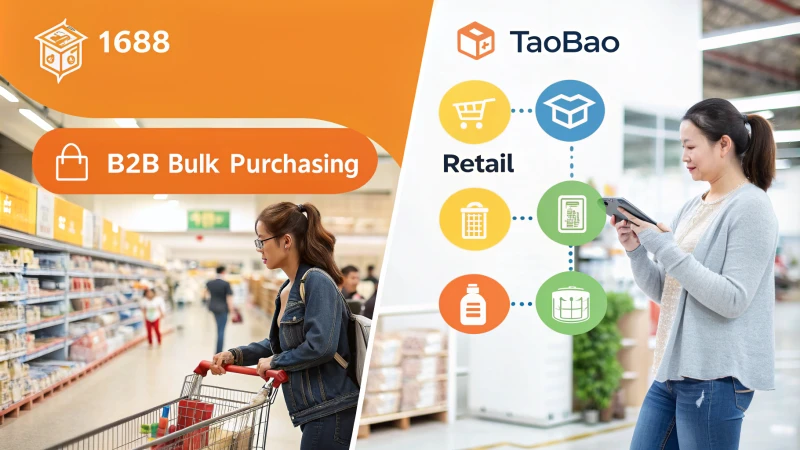
- 🛒 Marketplace purchasing (e.g., 1688, Taobao)
- 📦 Small order handling and packaging solutions
Our commission is clear, reasonable, and far outweighed by the cost savings, efficiency, and risk reduction you gain from our services.
Advantages of Working with an Export IntermediaryA reliable intermediary like FC2 Export allows you to:
✅ Focus on Growth, Not LogisticsYou handle the sales and marketing—we’ll manage sourcing, negotiation, quality control, freight, and compliance.
✅ Save Time and Avoid Riske already have a curated network of trusted manufacturers, which saves you months of research and trial-and-error.
✅ Buy in Smaller VolumesFactories often require large orders. We help you buy in smaller quantities by combining multiple client orders and consolidating cargo at our warehouse.
✅ Access Transparent PricingWe work directly with factories and negotiate the best rates, so you pay what your goods are worth—no inflated prices, no hidden markups.
 Turnkey Export Solutions from China
FC2 Export provides a full range of export logistics services that meet international standards:
- 🌍 Exporting to Europe, Latin America, the Middle East, and North America
- 🏭 Factory audits and supplier verification
- 🔒 Product compliance with destination country regulations (CE, FDA, ISO, etc.)
- 🚢 Sea, air, rail, and express delivery options
- 📦 Full container (FCL) and groupage (LCL) shipping
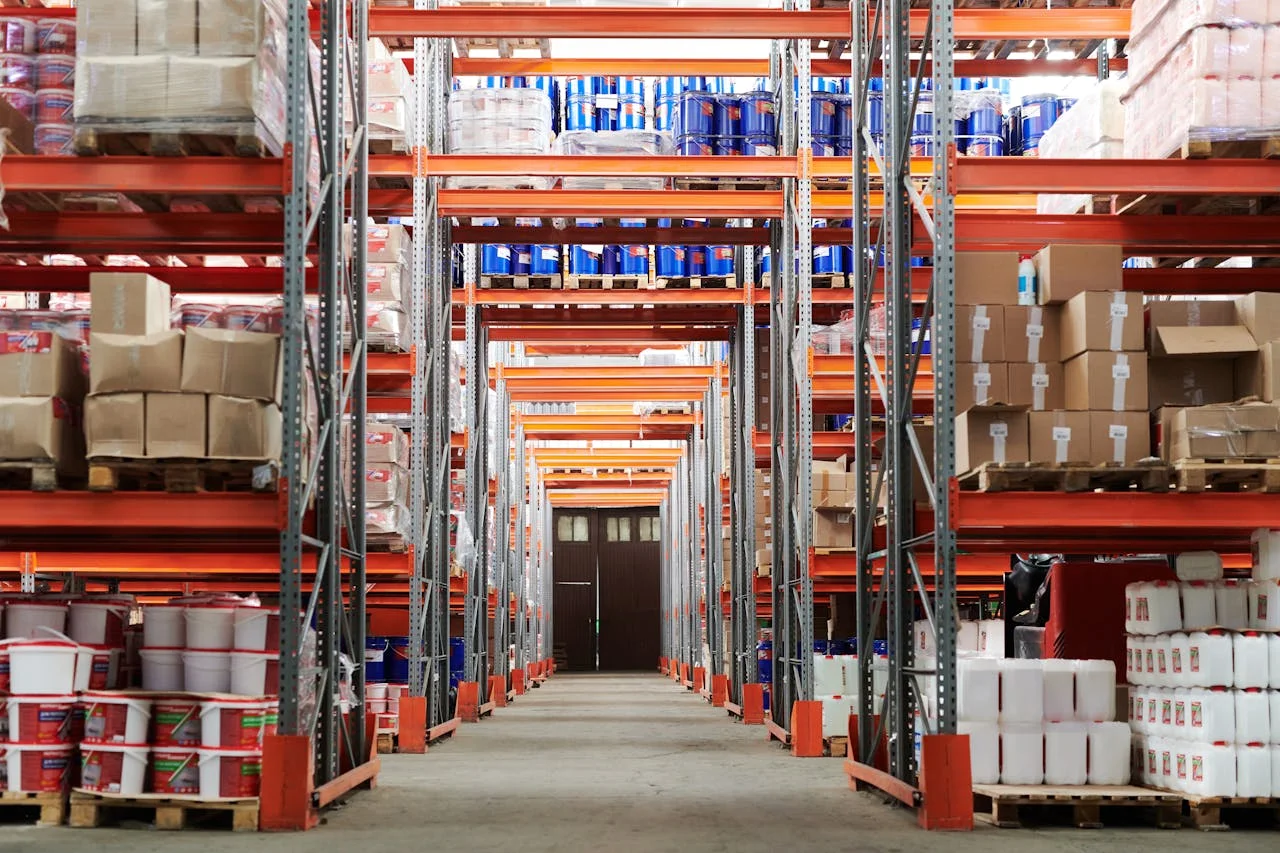
- 📍 Consolidation at our warehouse in China
 Why Choose FC2 Export?
With years of experience in sourcing, inspections, logistics, and customs compliance, FC2 Export has helped hundreds of businesses worldwide turn ideas into profitable product lines. Our multilingual team speaks English, Spanish, Chinese, and Russian, providing seamless communication from start to finish.
Our expertise is ideal for:
- Amazon FBA sellers
- Private label brands
- Wholesalers and retailers
- E-commerce businesses
- Industrial supply importers
At FC2 Export, we’re more than agents—we’re your partners in building a stable, profitable international business.
📩 Ready to start? Send your request to info@fc2export.com
🗂 Subject: “China Sourcing Support”
We’ll help you every step of the way—from supplier search to final delivery.
You’re working with a supplier based in China. You believe they can do a good job—if managed properly. At the same time, you’re aware of the risks involved: immature quality management systems, inconsistent performance, and some obvious red flags.
Does this situation sound familiar?
What should you do? Is there a way to minimize the risk and develop this “not-so-great” supplier into a reliable partner?
Here’s FC2 Export’s expert advice:
Understanding the Nature of the RisksFirst, take a step back. What could go wrong? Based on our experience, quality issues typically stem from five main sources:
- The factory is simply not qualified to produce the type of product you’re sourcing—or they typically serve customers with completely different quality expectations. ✅ Best action: Walk away.
- There is no structured quality management system in place. This increases the likelihood that mistakes will go unnoticed. ✅ A quality system audit will reveal this.
- The supplier may intentionally cut corners, usually around the 3rd or 4th shipment. They may switch to cheaper raw materials or use recycled electronic components to save costs. This used to be a widespread issue but is becoming less frequent.
- Sudden internal disruptions—loss of a major customer, cash flow crisis, ownership changes, supplier debt conflicts—can throw production into chaos. Imagine a small restaurant losing its head chef and expecting junior cooks to deliver the same results…
- Relationship breakdowns. If you’ve had a dispute or owe them money, they may see you as a threat and act defensively, even irrationally.
For issues 1 and 5, the solution is usually to find a better supplier.
For issue 4, maintain active monitoring.
That leaves risks 2 and 3 — let’s explore how to manage them.
Master the BasicsThis may seem obvious, but you’d be surprised how often it’s overlooked. Key principles to follow:
- Choose a supplier that matches your product and quality requirements
- Avoid unfavorable terms (e.g., full payment upfront before production—yes, it happens)
- Know where final assembly happens and, if possible, where critical components come from
- Document your quality standards, share them with your supplier, and ensure their QC team interprets test samples the same way yours does
- Ensure the product complies with import regulations in your target markets
- Sign a legally binding Manufacturing Agreement with the supplier (your lawyer should advise you on this)
Whether they are developing or just starting to manufacture a new product, the approach must differ from mass production.
Here’s what FC2 Export recommends
- Hold at least two scheduled meetings per week from product design through the first production run
- Maintain a prioritized list of questions/issues, and revisit it regularly
- Have someone on-site document the process flow during pilot runs and highlight critical areas for improvement
- Begin documenting Process FMEA and a Control Plan. These living documents should be updated at least weekly through the first production cycle
- Use these documents for weekly audits of manufacturing and testing processes—internal staff and, if possible, external experts can do this
- Product inspections during and after production are crucial. The earlier you catch issues, the more time and money both parties save
To stay ahead of serious quality issues:
- Always conduct a final random inspection for every batch
- For added security, do initial (first-article) inspections and/or in-process checks once 20% of the order is completed
- Run ongoing reliability testing, especially for electronics—this helps detect any hidden changes in critical components
- Submit Corrective Action Requests and conduct annual audits of the quality system to drive continuous improvement
- Visit your suppliers regularly—there’s no substitute for face time. At least twice a year is ideal
Too many companies resort to blame and financial penalties when issues persist. But often, treating a supplier like a misbehaving child leads nowhere.
If you’re willing to treat the supplier with respect—and they’re open to sharing some operational insights—consider an alternative method called Weak Point Management.
If you suffer from recurring defects or know certain production/testing processes need significant improvement, this is your strategy.
In fact, if your goal is zero defects, you’ll eventually have to adopt this mindset.
It all begins with visualization.
Here are a few examples (inspired by The Toyota Way and Dantotsu Radical Quality Improvement):
- A chart showing how repeated defects always come back to the same inattentive employee (“Mr. A”)—which local managers must resolve
- Another chart pointing to technical causes behind recurring failures
We won’t try to summarize the whole concept here, but in short:
It means focusing intensively on the biggest sources of defects, solving one at a time, and verifying that corrective actions are truly effective.
This approach requires discipline, transparency, and strong follow-up—but the payoff is sustainable improvement.
Thanks for reading to the end!
Need help managing your suppliers in China?FC2 Export offers full sourcing, quality control, production supervision, and supplier development services across China.
📧 Reach out to us at: info@fc2export.com
We’re here to make sure your supply chain works better, safer, and smarter.
